Mobile phone prices in Bangladesh currently run from around ৳23,999 for an entry-level 5G handset up to ৳2,49,999 for a flagship iPhone. Every phone here carries two prices: an official one with warranty and BTRC registration, and an unofficial grey market price that is 10–45% lower. The gap widens as phones get more expensive, because import duty is charged as a percentage of value.
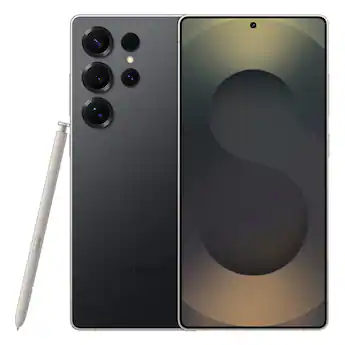
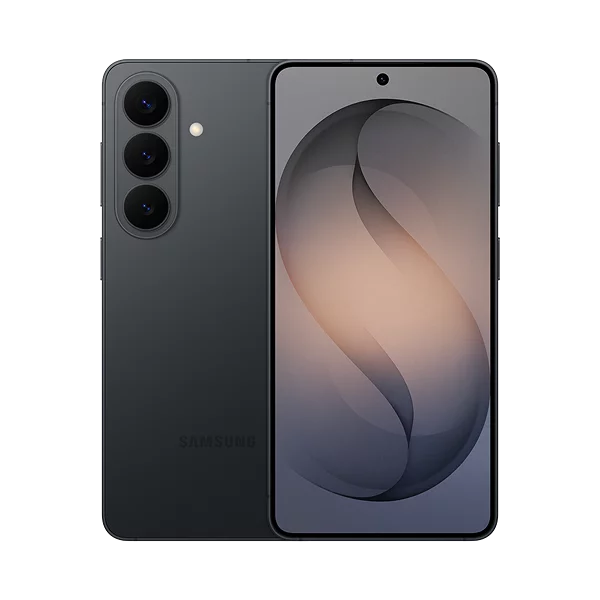
Samsung Mobile Price in Bangladesh
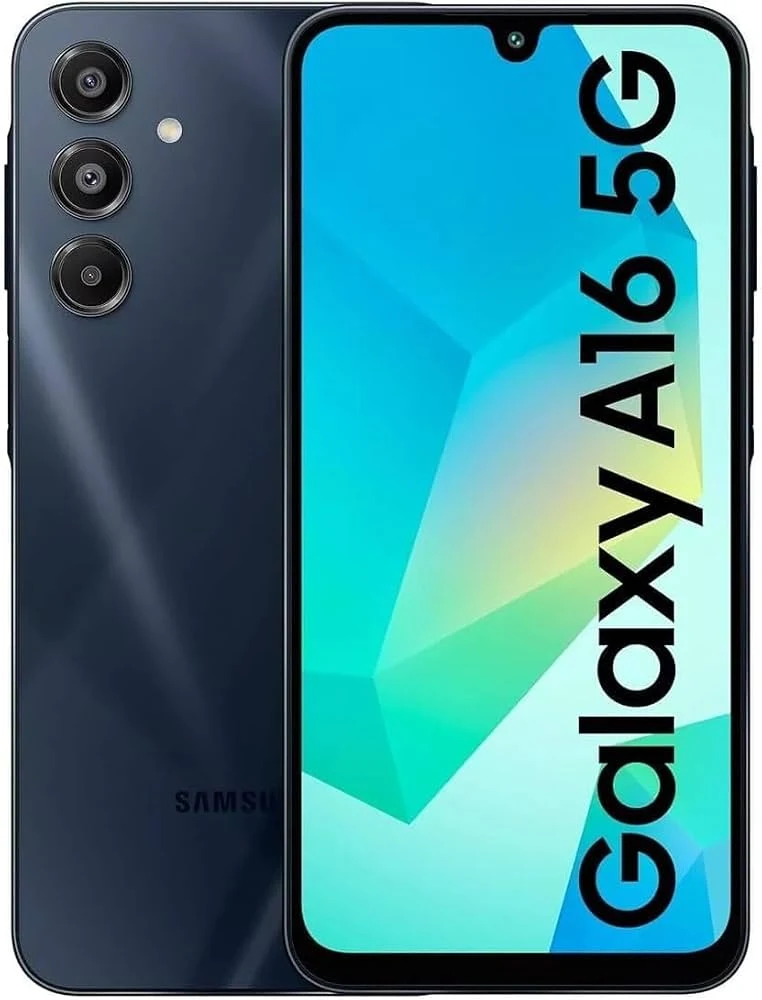
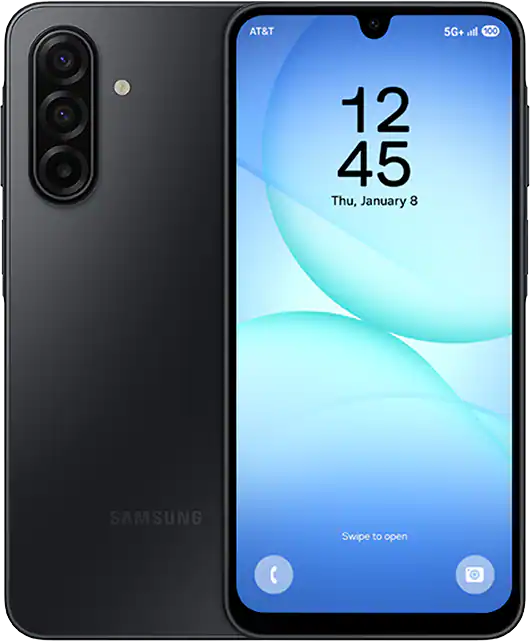
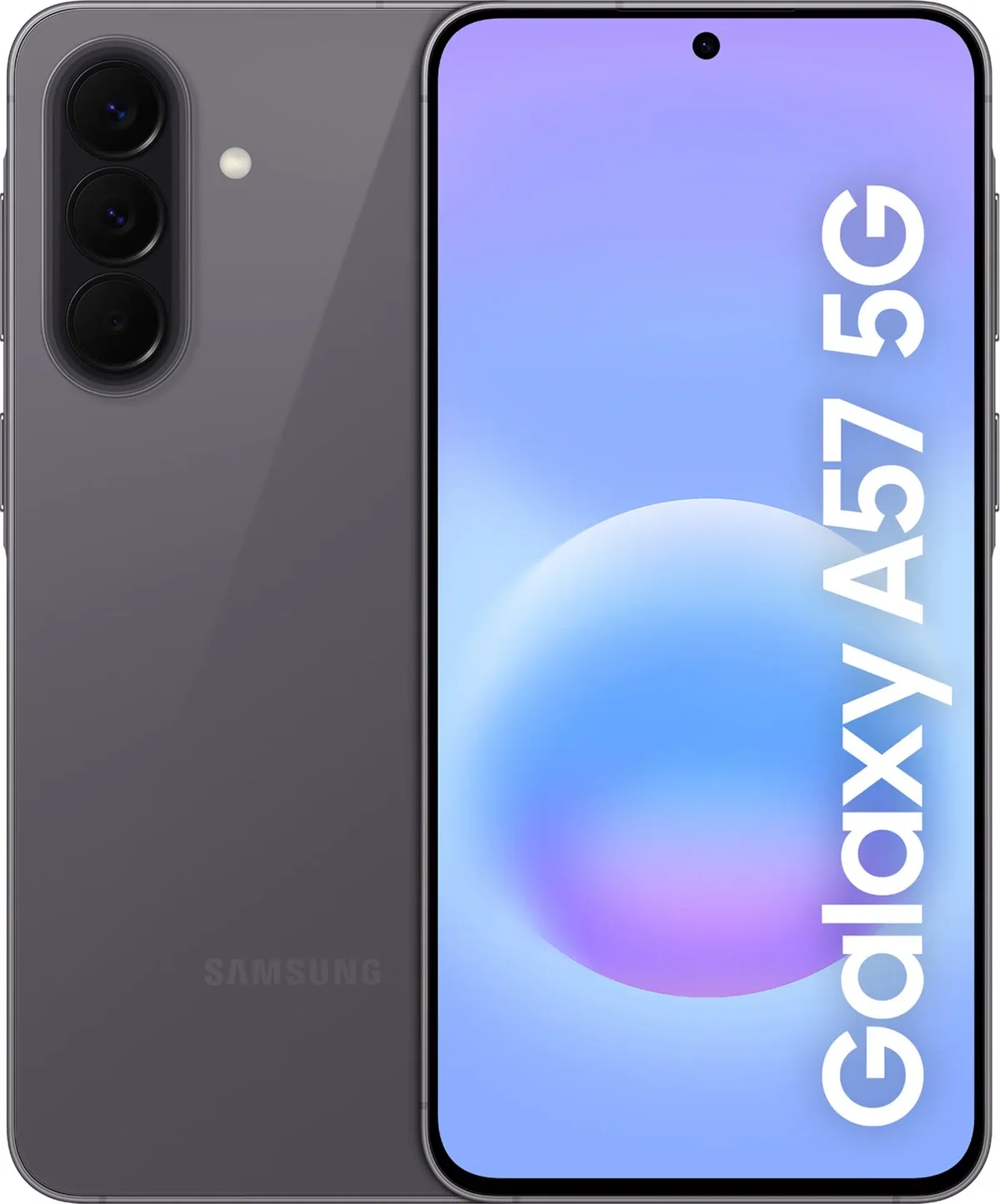
All Samsung prices →The widest service network in the country and six years of Android updates on most models. Prices run from ৳23,999 to ৳1,28,499.
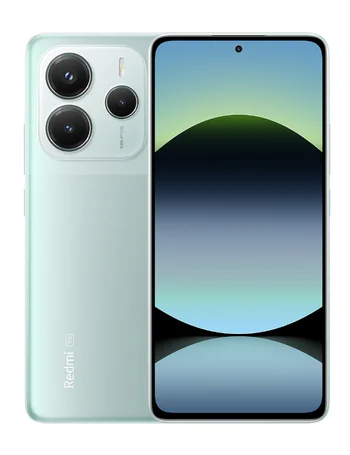
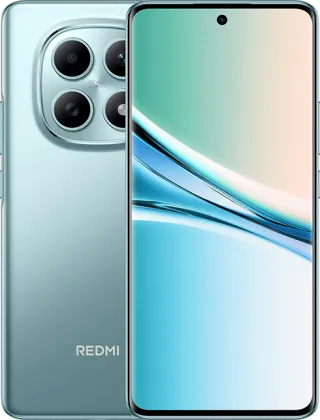
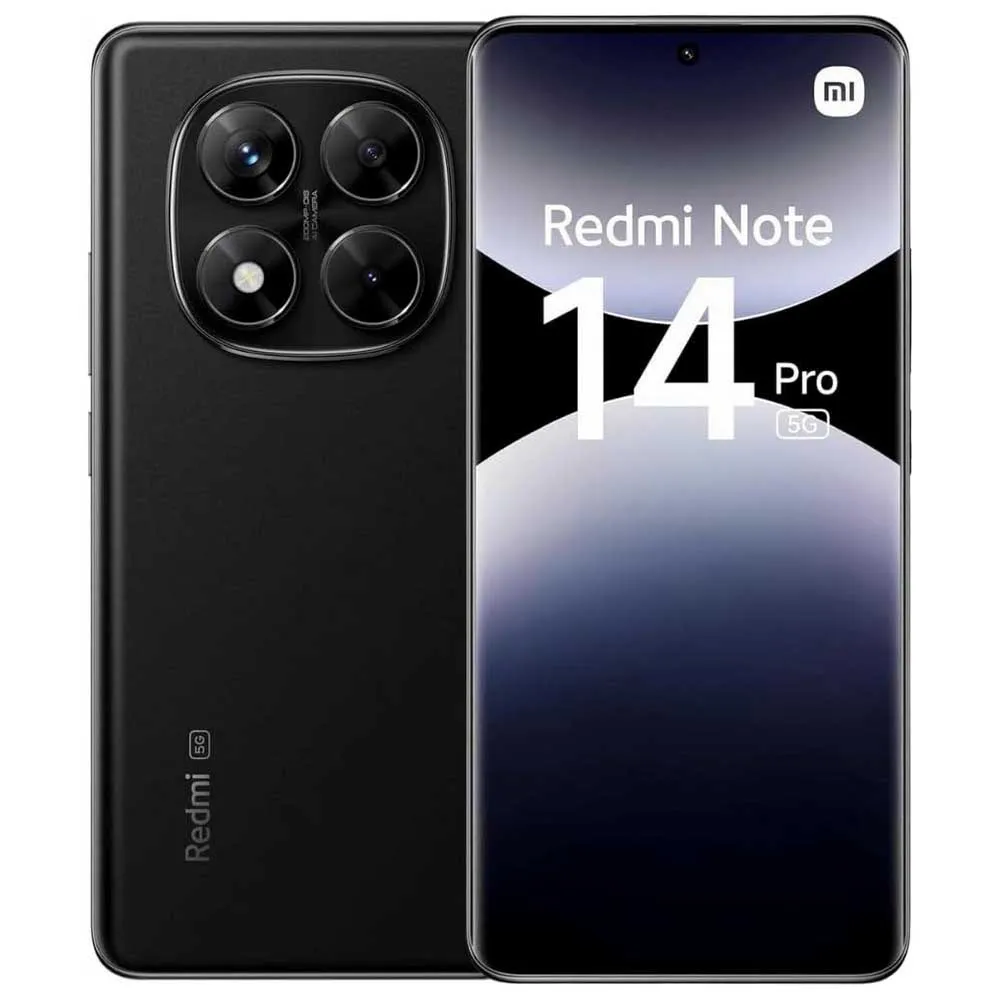
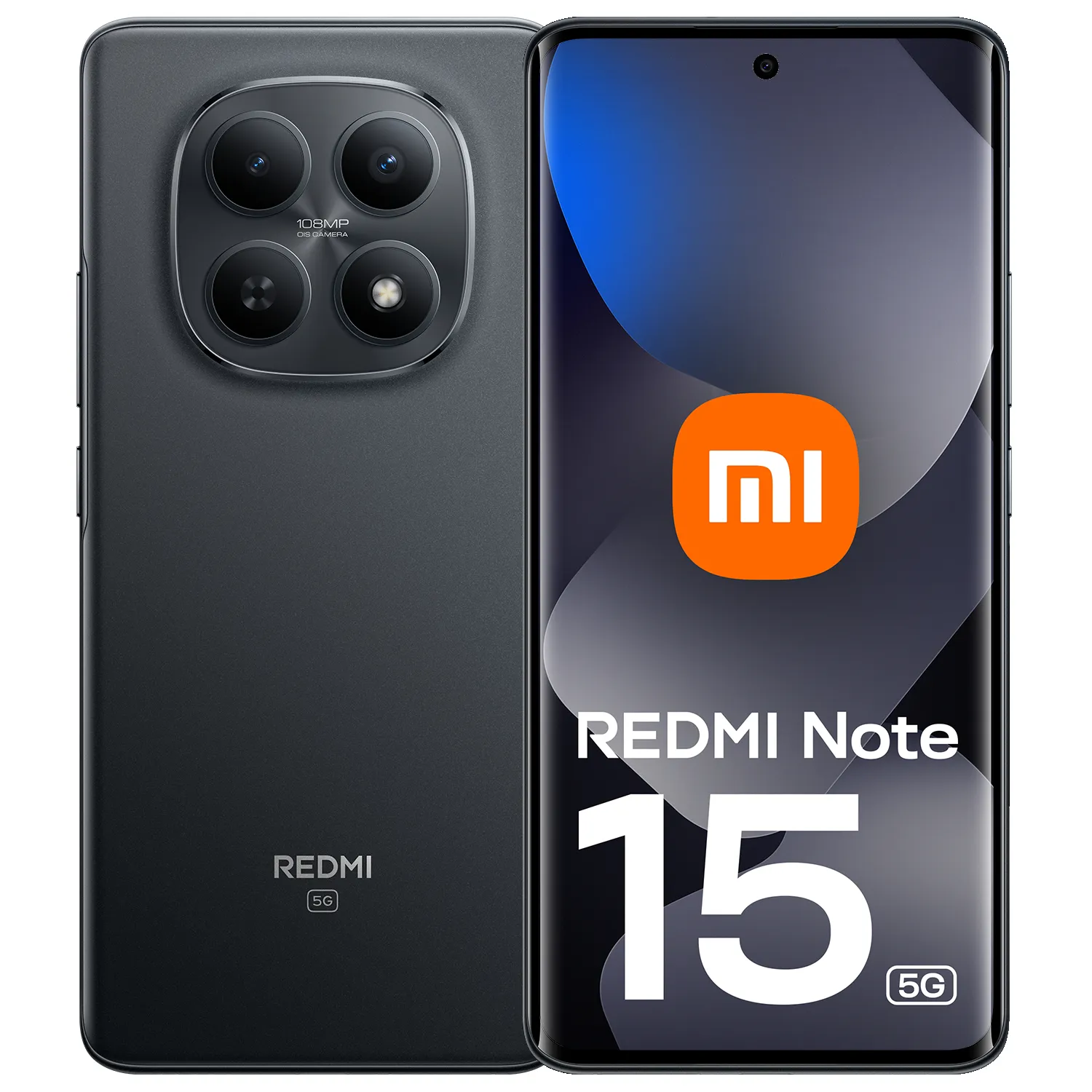
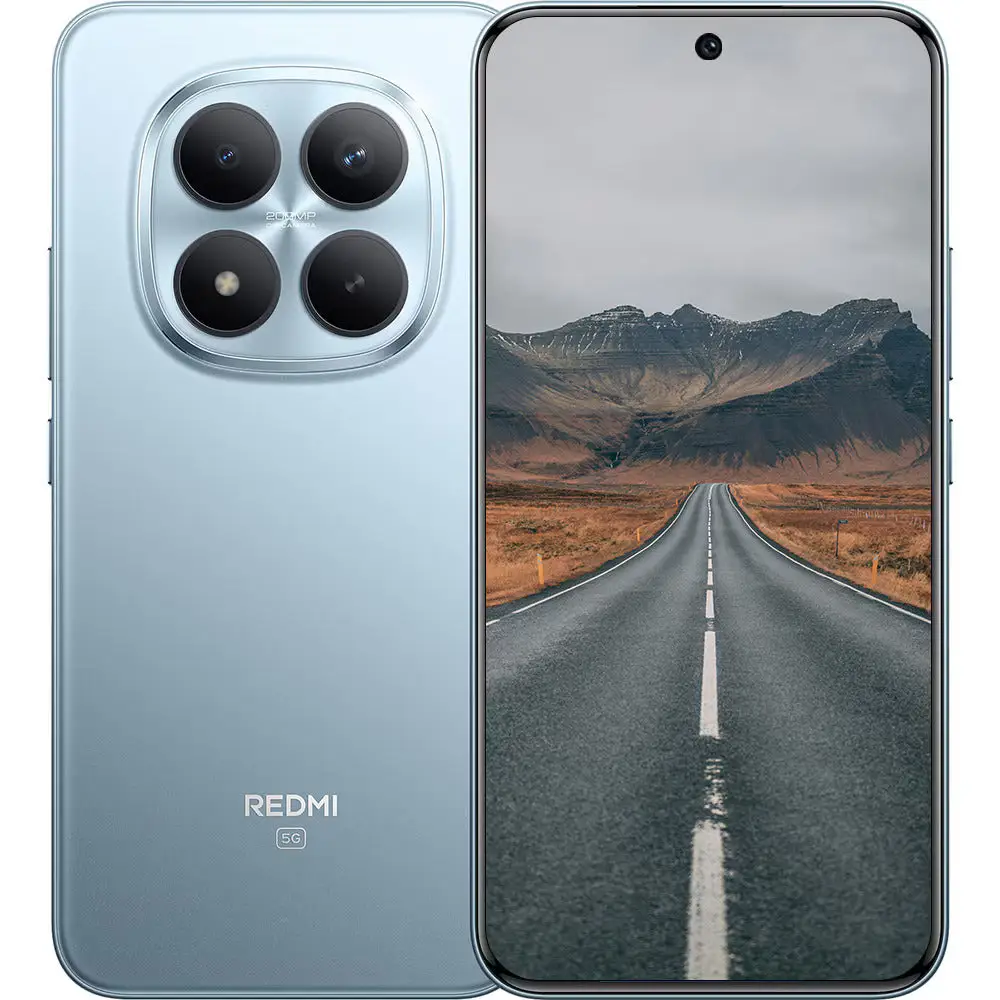
Xiaomi & Redmi Mobile Price in Bangladesh
All Xiaomi prices →The most camera sensor and charging speed per taka in this market. Prices run from ৳25,999 to ৳59,999.
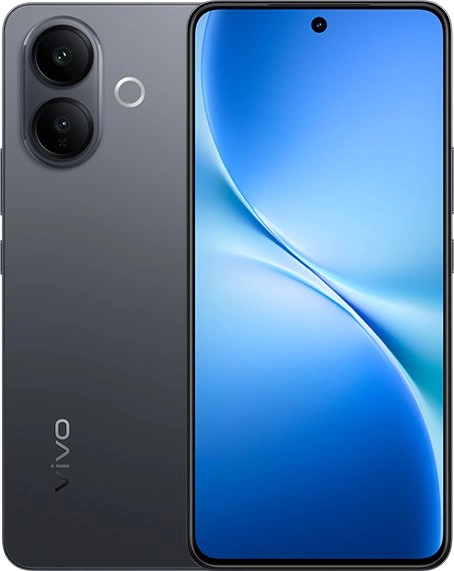
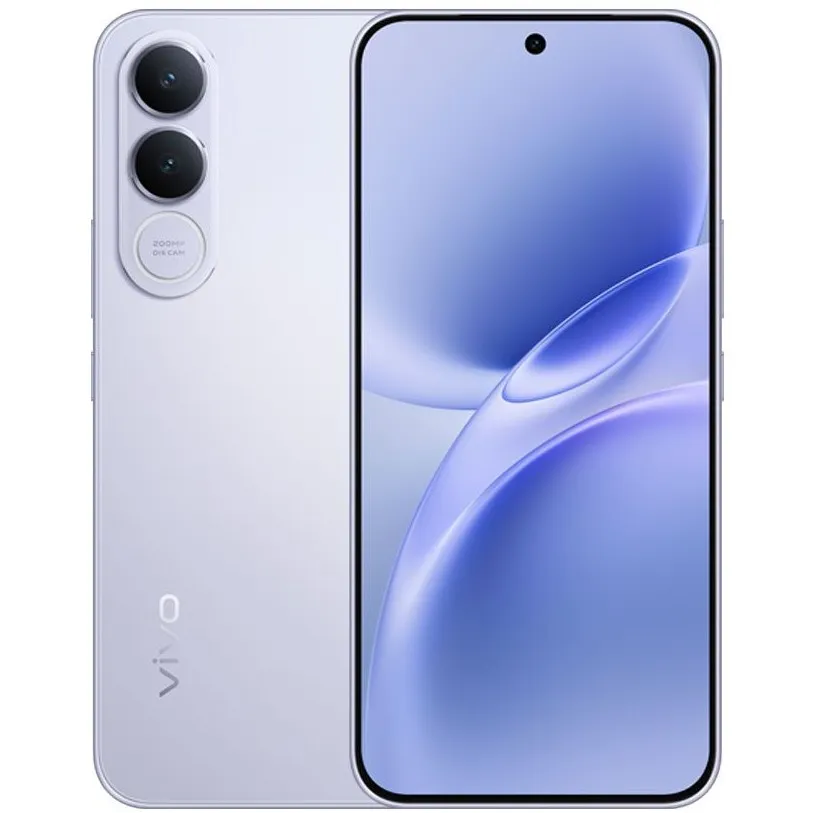
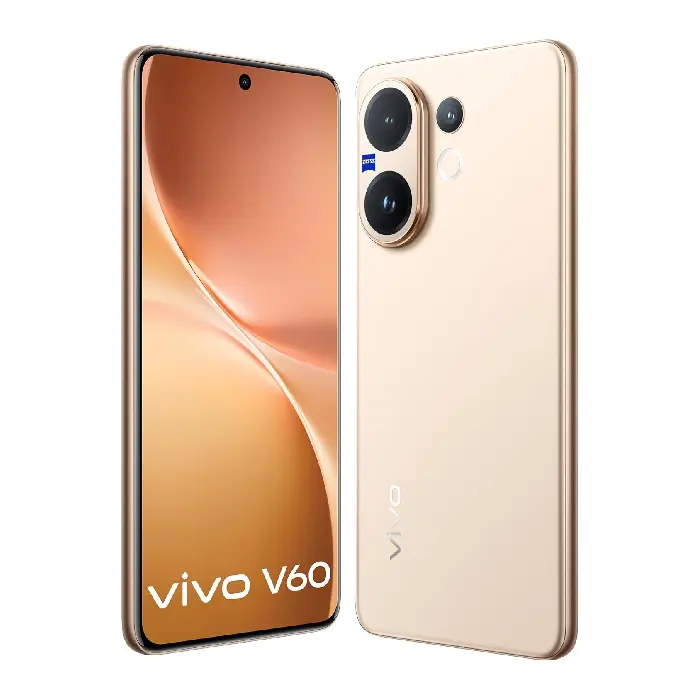
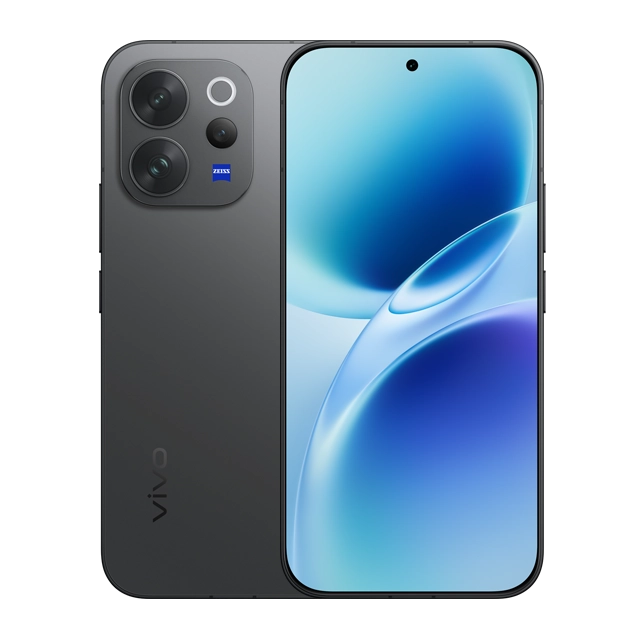
Vivo Mobile Price in Bangladesh
All Vivo prices →The only brand at these prices with a genuine 3x optical telephoto lens. Prices run from ৳34,999 to ৳87,999.
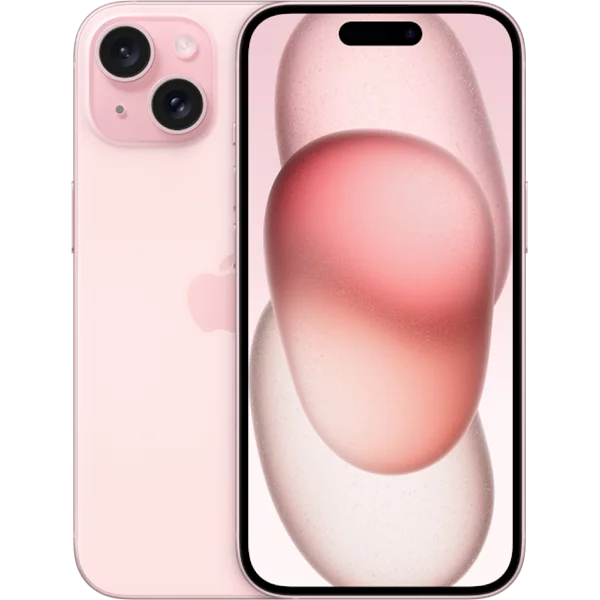
iPhone Price in Bangladesh
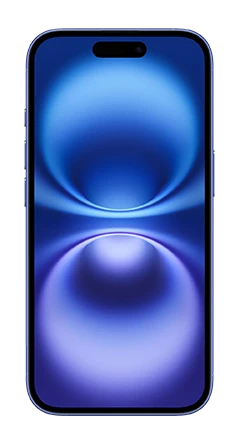
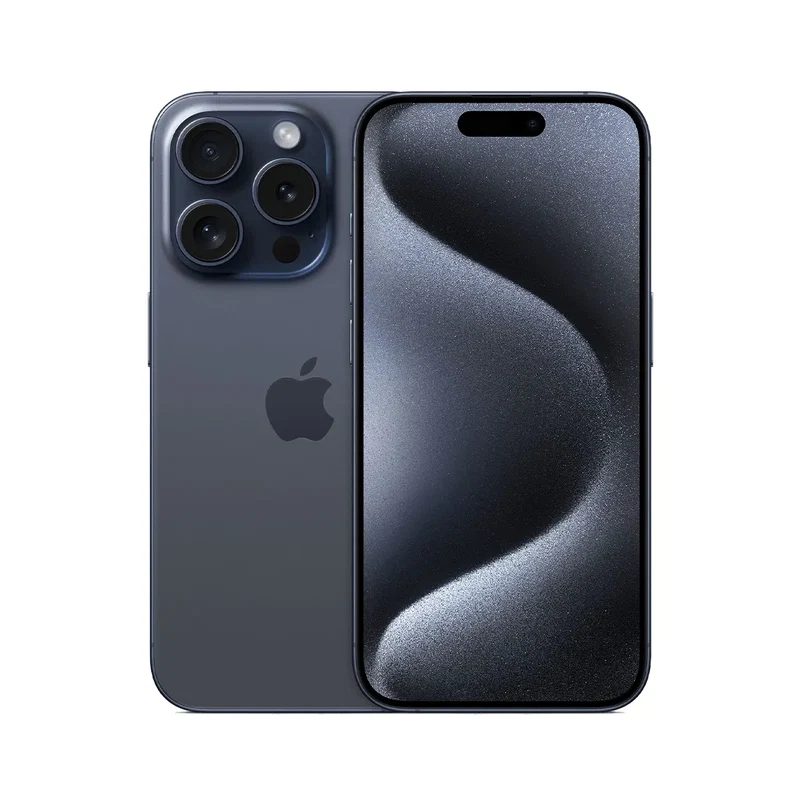
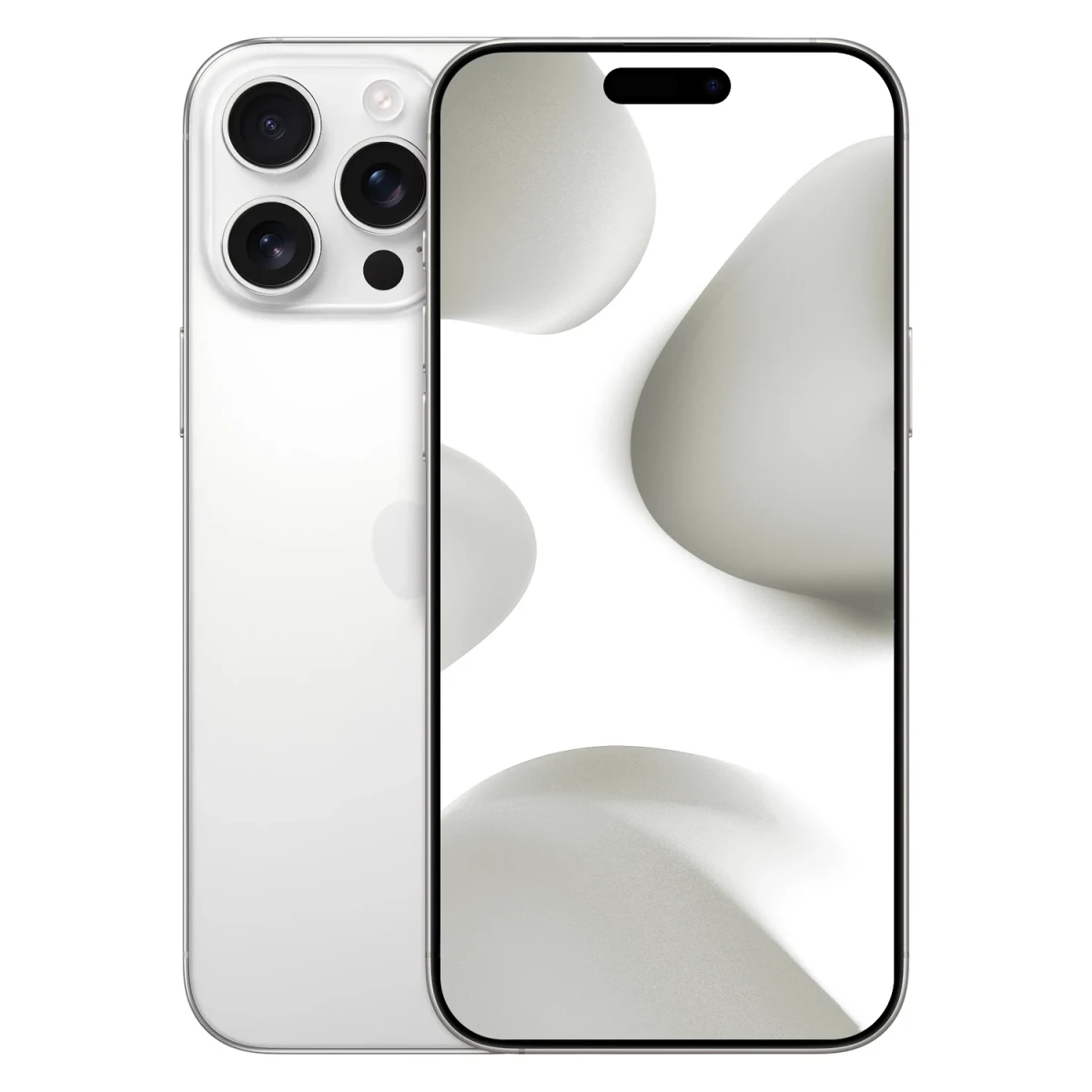
All iPhone prices →The widest official-to-grey gap of any brand here, and no Apple service centres in the country. Prices run from ৳1,14,999 to ৳2,49,999.
A buyer’s guide to mobile prices in Bangladesh
Every price on this site appears twice. There is an official number and an unofficial one, and the distance between them is sometimes larger than the entire price of a decent phone. Understanding why is the single most useful thing you can learn before spending money on a handset here.
Official vs unofficial: what the gap actually is
An official handset arrives through a brand’s appointed distributor, clears customs with duty and VAT paid, gets its IMEI registered with the regulator, and comes with a warranty a local service centre will honour. An unofficial one — grey market, unauthorised, whatever the shop calls it — is the same hardware brought in outside that channel.
The phone is not fake. It is not refurbished. It is not a lower-grade version. It is the identical device, minus the tax and minus the paperwork.
Here is the part that confuses people. On a Galaxy A16 the gap is about ৳5,000. On an iPhone 16 Pro Max it is ৳1,07,000. Grey sellers are not marking up flagships differently — import duty and VAT are charged as a percentage of declared value. The more expensive the phone, the more the tax adds in absolute taka. That is the whole explanation, and once you see it the pattern across every page on this site makes sense.
The practical rule that falls out of it:
- Under ৳40,000: the gap is usually ৳3,000 to ৳6,000, which is roughly what one screen replacement costs. Buy official. There is very little to argue about.
- ৳40,000 to ৳80,000: the gap widens to ৳10,000–৳30,000. Now it is a real decision, and it depends on how careful you are with phones and whether the brand has service centres near you.
- Above ৳1,00,000: the gap can exceed a lakh. Most phones at this level in Bangladesh are grey imports, and pretending otherwise is not useful.
One more thing worth knowing: official units hold their value better on the second-hand market here. Buyers pay noticeably more for a phone with a warranty history and a registered IMEI. So part of the premium comes back to you when you sell.
BTRC IMEI registration, and why it is not optional
Every handset sold legally in Bangladesh has its IMEI number registered in the regulator’s database. The system exists to curb smuggling and to make stolen phones traceable.
What it means for you: an unregistered handset can be blocked from local mobile networks. Not throttled — blocked. A phone that cannot connect to Grameenphone, Robi, Banglalink or Teletalk is an expensive piece of glass, and no shop guarantee will rescue you from it.
Checking takes one SMS and costs nothing. Dial *16161#, or send KYD <16-digit IMEI> to 16002. You get the IMEI itself by dialling *#06# on the handset, and it is also printed on the retail box.
Do this in the shop, before you pay. Not after you get home. A seller who hesitates when you ask to check the IMEI is telling you something, and it is worth listening to.
Which brand suits you
Four brands cover most of what people actually buy in Bangladesh, and each is genuinely better at something specific.
Samsung — software support and service reach
Six major Android upgrades on most current Galaxy A models, seven on the S series. Chinese rivals at the same prices typically offer two to four. On a phone you plan to keep five years, that difference is worth more than any single specification, because it determines whether your banking app and bKash still work safely in 2031.
Samsung also has the widest authorised service network in the country, with centres in every divisional city and most large towns. That is the practical reason the official premium is easier to justify here than with brands whose warranty means a trip to Dhaka.
Xiaomi — camera hardware and charging speed per taka
A 200MP camera on a 1/1.4-inch sensor at ৳32,999 has no equivalent anywhere else in this market. Sensor size determines how much light a camera collects, and it matters far more than the megapixel number printed on the box. Charging follows the same pattern — 100W on a phone where Samsung is still shipping 45W.
The catch is software support, which runs to four major Android upgrades at best. Xiaomi’s service network is the strongest among Chinese brands here, well ahead of Infinix or Tecno for parts availability, but it is not Samsung’s.
Vivo — optical zoom, which nobody else offers here
The V60 and V70 both carry a 50MP telephoto lens with 3x optical zoom and its own stabilisation. No Samsung or Xiaomi phone at a comparable price in Bangladesh has a dedicated zoom lens — they crop the main sensor instead, which throws away detail the moment light drops.
If you photograph people, this is the practical reason to look at Vivo. Portraits at 3x have proper facial proportions and background separation that software cannot convincingly fake.
Apple — video, ecosystem, and the longest software life
Six to seven years of iOS updates, longer than any Android maker. Video recording that remains ahead of Android at comparable money. And if you already use a Mac or iPad, the integration is difficult to replicate.
Two things to know before committing. Apple operates no retail or service locations in Bangladesh — every repair goes through a third-party shop whether you paid official price or grey. And the standard iPhone 15 and 16 both use 60Hz displays, while a ৳26,000 Redmi manages 120Hz.
What to buy at each budget
Under ৳30,000
This is where most phones in Bangladesh are actually sold, and the competition is fierce. You can get a 120Hz AMOLED screen, a 5000mAh-plus battery and a capable 50MP or 108MP camera. What you will not get is a fast processor or premium build materials.
The decision here usually comes down to software support versus camera hardware. Samsung gives you six years of updates and a service centre nearby; Xiaomi gives you a bigger sensor and faster charging. Buy official at this level without thinking about it — the gap is smaller than one repair bill.
৳30,000 to ৳50,000
The value sweet spot. Optical stabilisation becomes standard, 5G appears across the range, and charging speeds jump. This is where a phone stops feeling like a compromise.
Watch for the 4G-versus-5G trap. Manufacturers sell 4G and 5G versions of the same model name, and the 4G is often priced close enough to the 5G that buying it makes no sense. Always check which one a quoted price refers to.
৳50,000 to ৳80,000
Now you are choosing a specialty rather than buying a general-purpose phone. Optical zoom, or IP69 durability, or a 7000mAh battery, or six years of updates — you can have some of these but not all. Decide which one you actually use before you shop, because every phone in this band is good and the marketing will not help you choose.
This is also where the grey market decision gets genuinely difficult. A ৳20,000 saving is real money, and these phones are expensive to repair.
Above ৳80,000
Flagship territory, where the official-to-grey gap becomes the dominant factor in the decision rather than a footnote. Be clear-eyed about what you gain: a warranty, a registered IMEI, and better resale. Be equally clear about what you do not — with Apple in particular, the premium does not buy you access to manufacturer service, because none exists here.
Is 5G worth paying for yet?
Honest answer: it depends entirely on where you live, and most listings will not tell you that.
Bangladesh has 5G. Coverage sits in pockets of Dhaka and a handful of other cities, and the plans that use it are priced above what most people pay for data. If you are in Sylhet or Rajshahi or a district town, you will be on 4G for the next couple of years regardless of what your handset supports.
Where this matters practically: manufacturers charge a premium for the 5G version of the same phone, sometimes ৳10,000. That money buys a modem you may not use for years, and often a slightly different processor. If you live outside a metro and replace phones every three years, the 4G version is frequently the smarter purchase.
If you are in Dhaka and plan to keep the phone four or five years, buy the 5G. It will still be useful when coverage catches up.
Checks before you pay
Five minutes in the shop saves a great deal of regret afterwards.
- IMEI against BTRC. Non-negotiable on any handset, official or grey.
- Open the seal yourself. Do not accept a box that has already been opened “for checking”.
- Confirm the exact variant in writing. RAM and storage on the memo, not spoken. The difference between 8/128 and 8/256 is several thousand taka and easy to blur.
- Check what is in the box. Several phones now ship without a charger. On a 45W or 90W handset that is a real extra cost.
- On used or grey iPhones, check battery health and activation lock. Settings, then Battery, then Battery Health. Below 85%, negotiate. And confirm the phone is not tied to a previous owner’s Apple account.
- Get any shop guarantee written on the memo. A verbal promise from a grey seller is worth what you paid for it.
EMI, and when to buy
Most authorised retailers in Bangladesh offer 0% EMI on bank credit cards, typically over six, nine or twelve months. It is how a large share of mid-range and flagship purchases actually happen here, and thinking in monthly terms makes the price bands above more navigable — a ৳54,000 phone is ৳4,500 a month over a year.
Read the terms rather than the banner. Some offers carry a processing fee that quietly turns 0% into something else, and some apply only to specific banks.
On timing: prices fall in predictable patterns. Festival periods around Eid bring exchange bonuses and cashback, and a phone drops meaningfully in price roughly six months after launch, then again when its successor arrives. If you are not in a hurry, waiting for the next generation to launch is the reliable way to save on the current one.
Mistakes we see repeatedly
Buying last year’s model at near-current prices. A phone from the previous generation is only a good deal if it is priced like one. When the newer model sits ৳2,000 above with a better camera and a brighter screen, the older phone is not a bargain.
Paying for storage instead of a memory card. On phones that take microSD, the ৳4,000–৳5,000 jump from 128GB to 256GB buys you something a card does for a fraction of the price. On phones without a card slot — increasingly common — the calculation reverses completely, so check first.
Chasing megapixels. A 200MP camera on a small sensor takes worse photos than a 50MP camera on a large one. Sensor size and optical stabilisation determine image quality. The megapixel figure mostly determines file size.
Ignoring software support. It never appears in a shop comparison and it decides whether your phone is safe to run banking apps in year five.
Assuming a low price is a deal. On a grey unit, a price well below the market range usually means something — a different regional variant, a locked device, or a unit with no IMEI registration. Walk away rather than negotiate.
Common questions
What is the cheapest 5G phone in Bangladesh?
Among the models we track, the Samsung Galaxy A16 5G at ৳23,999 official is the cheapest 5G handset.
What is the difference between official and unofficial mobile prices in Bangladesh?
An official phone comes through the brand’s appointed distributor with duty and VAT paid, a BTRC-registered IMEI and a warranty valid at local service centres. An unofficial or grey unit is the same hardware imported outside that channel, without tax, warranty or registration.
How do I check if a phone is BTRC registered?
Dial *#06# to get the IMEI, then dial *16161# or send KYD followed by the 16-digit IMEI to 16002. Do this in the shop before paying.
Which brand gives the most Android updates in Bangladesh?
Samsung, with six major Android upgrades on most current Galaxy A models and seven on the S series. Xiaomi and Vivo typically offer four.
Is it safe to buy an unofficial phone in Bangladesh?
The hardware is genuine, but there is no local warranty and the IMEI may not be registered with BTRC, which can result in the handset being blocked from local networks. Always verify the IMEI before paying.
Which phone has the biggest battery in Bangladesh?
Among the models we track, the Vivo V70 FE 5G at 7000mAh with 90W charging.
Prices last checked: . Bangladeshi market prices change often — confirm with the retailer before you buy.